 Savvy Sealers
How Each Repair Method Fixes Pavement Damage
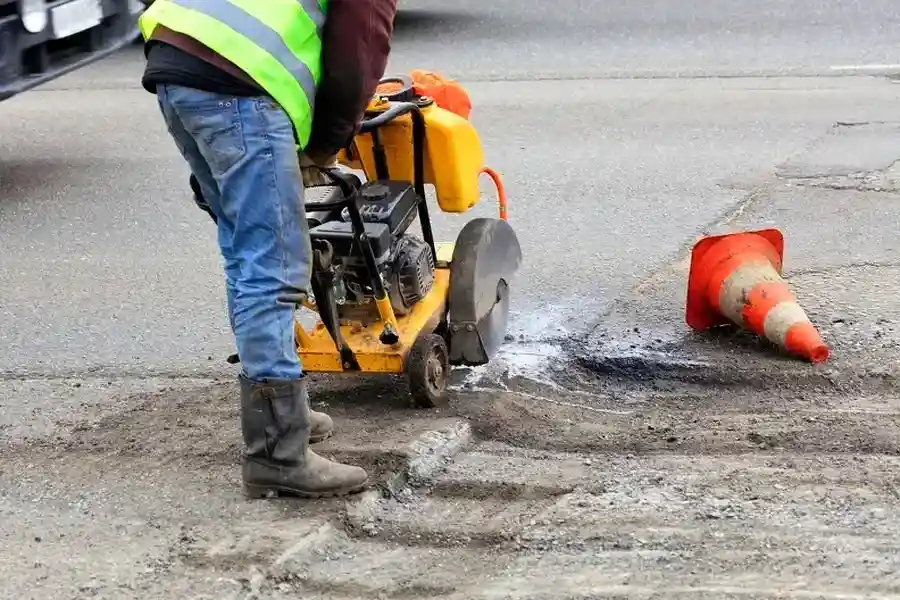
Asphalt patching is used to fix cracks, potholes, and weak spots in pavement. There are several methods, and each one works best for a different type of damage. Some repairs are quick and temporary. Others are deeper and meant to last for years. Knowing the difference helps you pick the right solution for your driveway, parking lot, or other asphalt repair needs.
Quick Decision Answer
If the damage is small and shallow, a surface patch may be enough. If the hole is deep or the base is weak, a full-depth repair is often the better choice. For spreading cracks, infrared or skin patching may work well. The right method depends on the size of the damage, traffic level, and overall pavement condition.
Common Asphalt Patching Methods
Here are the main types of asphalt patching and how they work:
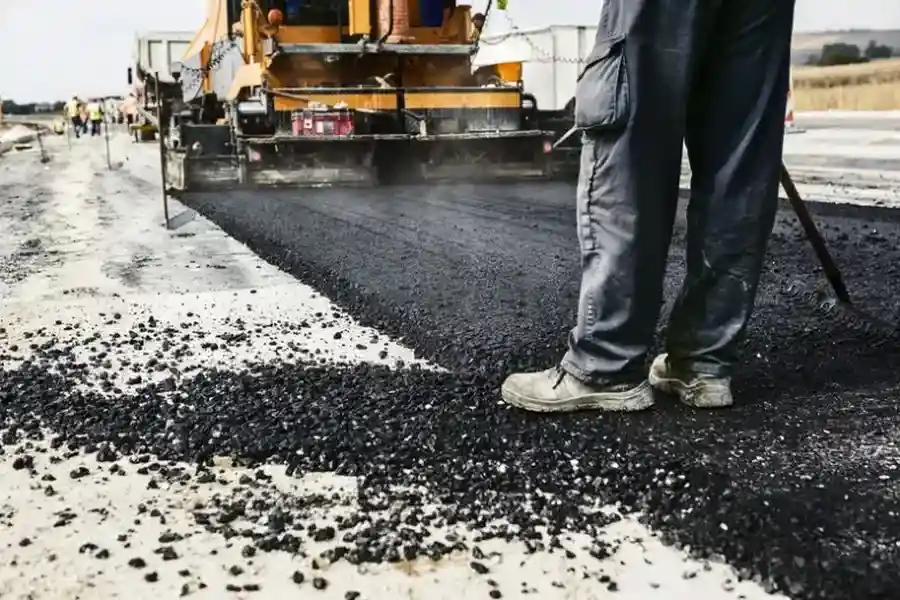
- Cold patch: A ready-mix material placed into a pothole and compacted. Best for quick, temporary fixes.
- Hot mix patch: Heated asphalt placed into a cleaned-out hole and compacted. Stronger and longer lasting than cold patch.
- Full-depth patch: Damaged asphalt and weak base are removed and replaced from the ground up.
- Skin patch: A thin new layer placed over worn or cracked areas.
- Infrared patch: Heat softens the existing asphalt so new material can blend with it.
Each method has a purpose. The key is matching the repair to the problem.
Pros and Cons of Each Option
Every patching method has strengths and limits.
- Cold patch
Pros: Fast and inexpensive. Works in cold weather.
Cons: Short lifespan. May loosen under heavy traffic. - Hot mix patch
Pros: Durable and strong. Good for high-traffic areas.
Cons: Needs proper equipment and warm temperatures. - Full-depth patch
Pros: Fixes base problems. Long-lasting solution.
Cons: More labor and higher cost than surface repairs. - Skin patch
Pros: Improves appearance. Seals surface cracks.
Cons: Does not fix deep structural issues. - Infrared patch
Pros: Blends new and old asphalt. Smooth finish.
Cons: Not ideal for large or very deep potholes.
Best Fit by Scenario
A small pothole in a low-traffic driveway may only need a hot mix patch. A busy commercial parking lot with repeated potholes may require full-depth asphalt patching. Thin surface cracks across a larger area could benefit from a skin patch or sealcoating combined with minor repairs.
If water keeps coming back to the same spot, that often points to base failure. In that case, simple surface work will not last long. Removing the damaged layers and rebuilding the area is usually the better move.
Mistakes People Make When Choosing
One common mistake is picking the cheapest option without thinking about traffic load. A cold patch may look fine at first, but heavy trucks can break it apart quickly.
Another mistake is ignoring drainage. If water sits on the pavement, even a strong patch can fail over time.
Some property owners also wait too long. A small crack can grow into a deep pothole. Early asphalt patching is almost always easier and less disruptive than large repairs later.
Final Decision Checklist
Before choosing a repair method, ask these questions:
- How deep is the damage?
- Is the base layer still solid?
- How much traffic does this area handle?
- Is this a short-term or long-term fix?
- Are there drainage or water issues nearby?
Answering these questions gives you a clear path forward. The goal is not just to fill a hole but to fix the cause and protect the rest of the pavement.
Talk With a Paving Team About the Right Repair
If you are not sure which asphalt patching method fits your property, we can help you review the damage and explain your options in plain terms. We work with property owners throughout Fredericksburg, VA to repair driveways and parking lots the right way. At Savvy Sealers, our team focuses on lasting results, not quick cover-ups, and you can call us at (540) 692-0799 to schedule an evaluation and discuss the best plan for your pavement.